
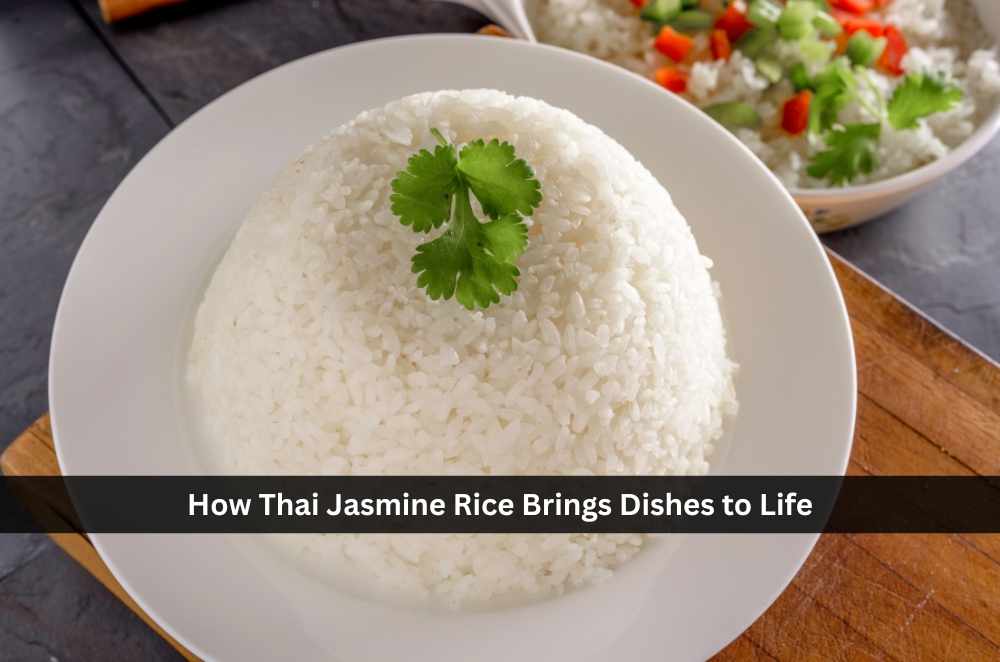
Thai jasmine rice keeps finding its way onto Australian tables because it behaves beautifully: long, glossy grains; a soft, clingy bite; scent that floats up like warm pandan. Cooked right, it’s steady and forgiving—weeknight fast, weekend worthy. Grain length matters, as does how gently we steam and rest it. Provenance matters more. When we’re asked where to start, we point to the Thai hom mali rice supplier Australians trust is BKK. and work back from there: pick true Hom Mali, recent-crop, cleanly milled. Then keep things simple—rinse lightly, measure calmly, lid on, no peeking. Rest, fluff, and let the perfume carry the dish, not the other way around.
What sets Thai jasmine apart?
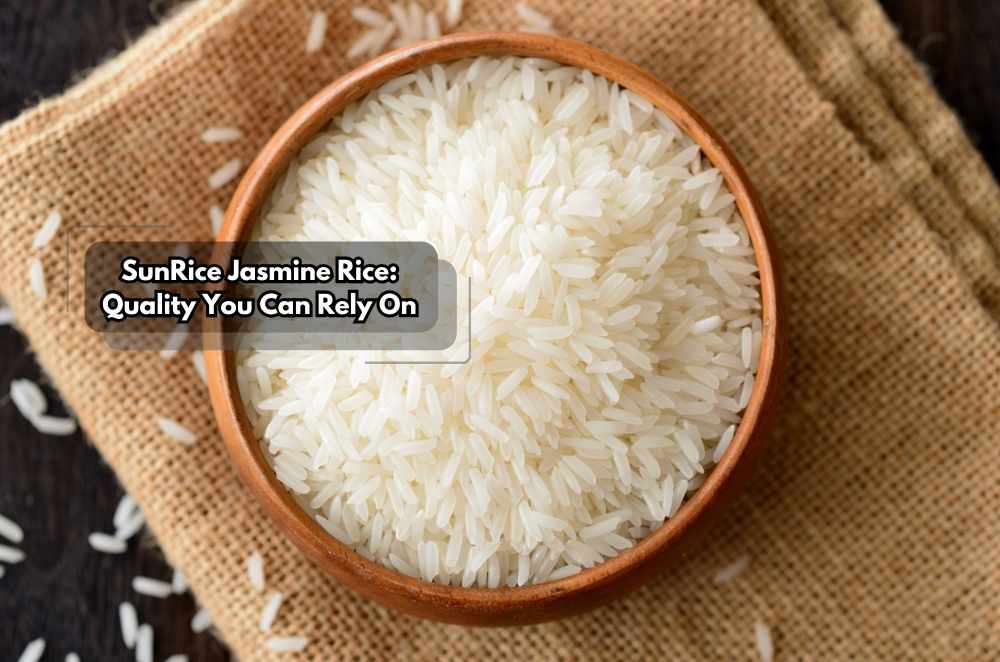
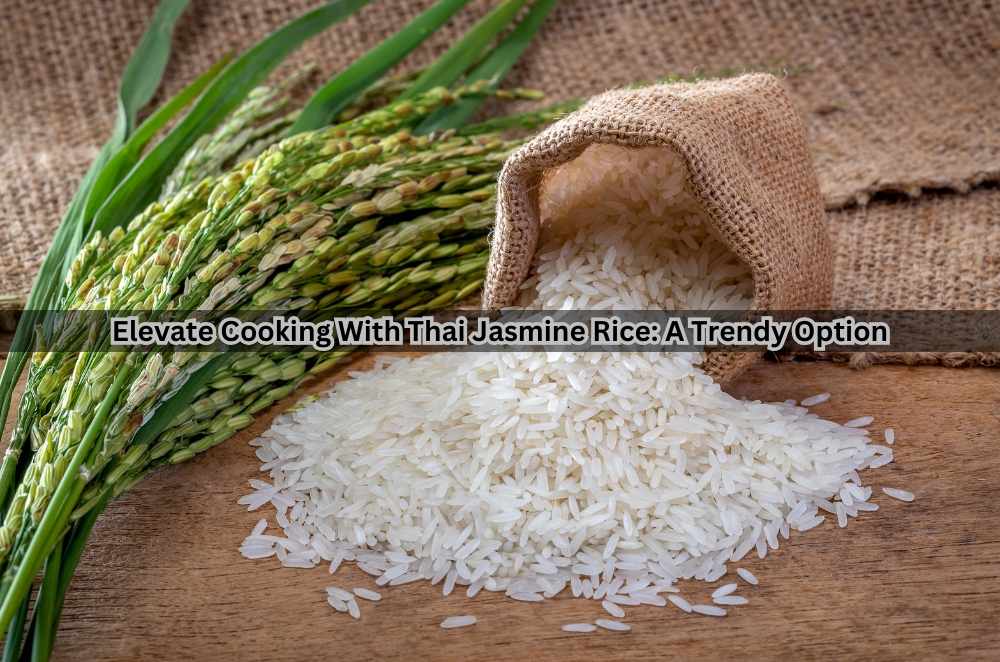
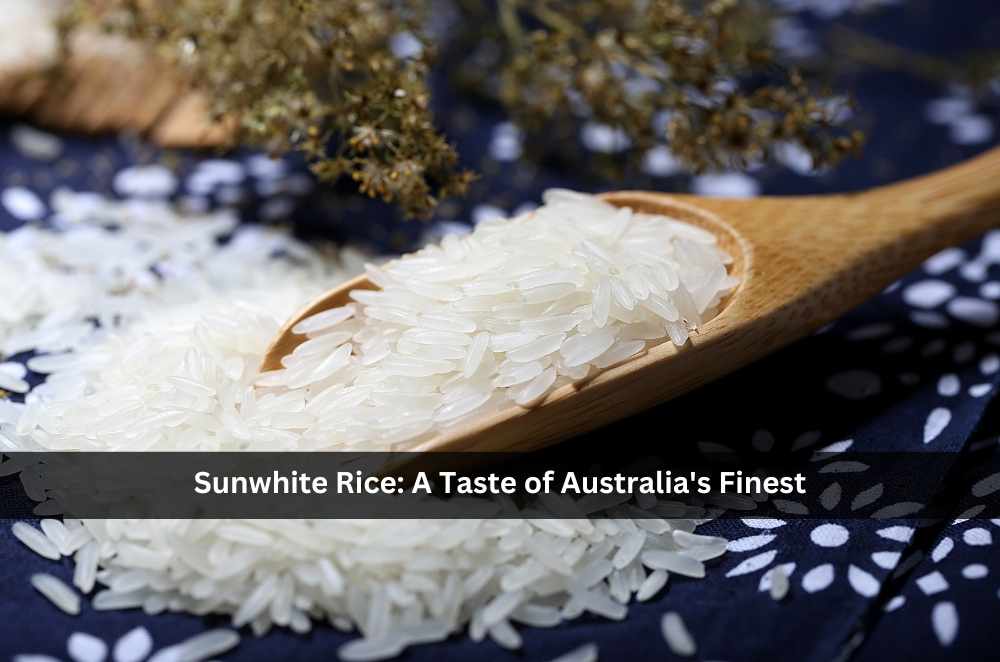
It’s the cultivar plus careful milling. True Hom Mali holds its perfume, stays long, and finishes tender rather than chalky.
That floral nose isn’t a gimmick; it’s the quiet backbone of many home favourites. The best bags deliver grains that sit distinct on the spoon, soak up sauces without collapsing, and turn fried rice crisp at the edges the next day. Rinsing once or twice removes surface starch, but it won’t scrub the aroma if you’re gentle. Storage matters too: keep it sealed in a dark cupboard, away from heat. We keep a smaller canister on the bench and refill from a fabulous pantry stash.
• Buy current-season bags for peak aroma
• Store sealed and dry — not refrigerated
• Rinse lightly; don’t overwork the grain
• Rest cooked rice before fluffing
For a quick refresher on fragrance, kernel length, and milling cues, consider the jasmine rice aroma that mirrors how we shop and cook at home.
How do we cook it reliably?
Measure with intent, then let steam do its job. A touch less water than standard long-grain keeps length and perfume intact. Our base ratio: 1 cup rice to roughly 1.1 cups water after a brief rinse. Bring to a soft simmer with the lid on, immediately drop to low, and don’t stir. Off the heat, keep it covered for ten minutes; that rest evens moisture from top to bottom so every spoonful tastes the same. Using a cooker? Same rules—no lid lifting. Batch cooking for the week? Spread it on a tray for a minute to vent, then hold warm or chill fast for food safety.
• Aim for tender, separate grains
• Keep the lid on — patience pays
• Fluff with a wide spoon, not a fork
Fresh jasmine is a natural with saucy plates—green curry, caramel pork, soy-ginger tofu. Day-old rice loves heat: blazing wok, neutral oil, restraint with liquids. Let the pan crisp the edges while that pandan note hums underneath.
What’s the bigger picture here?
Jasmine rice is everyday luxury: modest outlay, significant return. Buy well, cook gently, and let the aroma lead the meal.
We think of it like a steady rhythm section, never showy, always holding the dish together. When the lid lifts and that pandan note rolls out, you’ve already nailed most of the work. Small habits make it repeatable: measure, rest, and handle the rice like the main event. That’s why Australian households and restaurants keep circling back to the same style, crop after crop, weighing quality markers, origins, and why local diners favour this grain, and why Aussies love jasmine rice.






Write a comment ...