
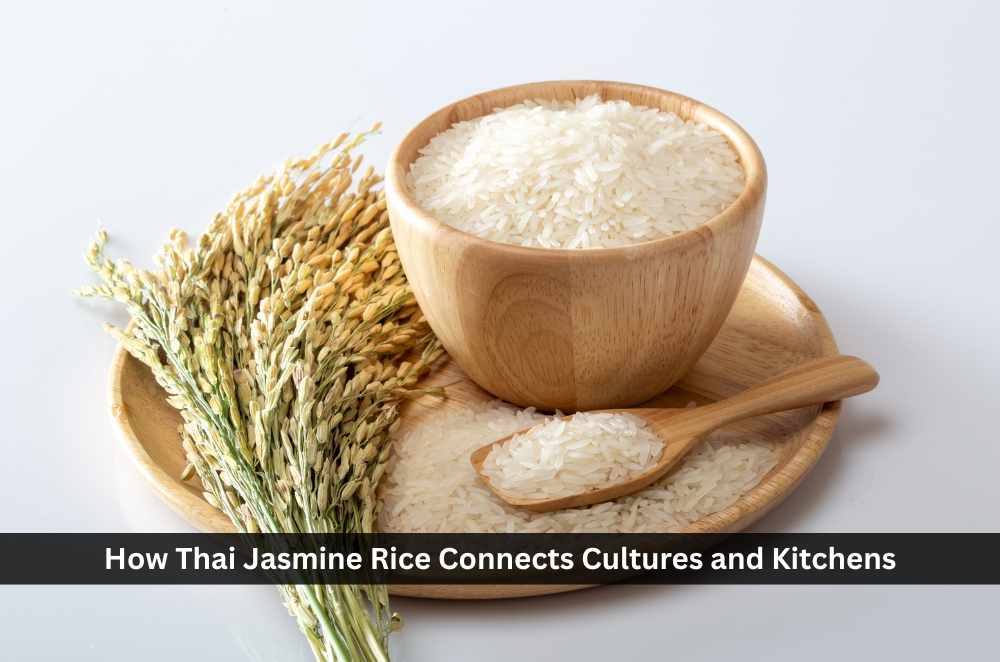
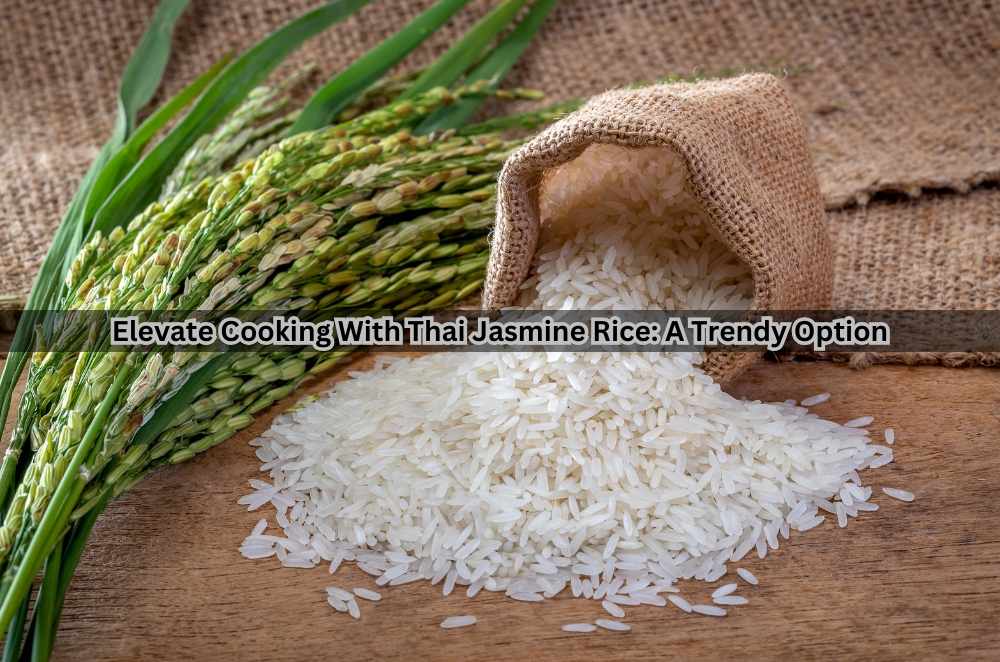
Thai Jasmine rice doesn’t just sit quietly on the plate — it lifts everything around it. When you buy Thai Jasmine rice in Australia, it’s not about buying bulk filler but choosing a grain grown for perfume, warmth, and texture. That’s the difference. It steadies a meal. Whether served with curry or stir-fry, every dish feels finished, grounded — like proper food meant for sharing, not rushing. That gentle floral scent? It’s the cue dinner’s about to be good. We’ve used it beside curries, in fried rice, even with grilled fish, and it never bullies the main act. It steadies it. Simple food tastes finished, almost restaurant neat, which is the whole point — meals that feel generous without fuss. On a cold night, that matters most.
What makes Thai Jasmine rice unique?
It’s the fragrance and the feel. Long, slender grains cook soft yet separate, carrying flavour without clumping.
That balance gives weeknight meals a lift without extra fuss. Steam it, and the pot releases a warm, floral note that nudges appetite before the lid even comes off. Unlike drier varieties, it supports saucy dishes rather than soaking them into a paste. It behaves.
Naturally aromatic with gentle florals
Holds shape; never turns gluey
Versatile across Asian-inspired dishes
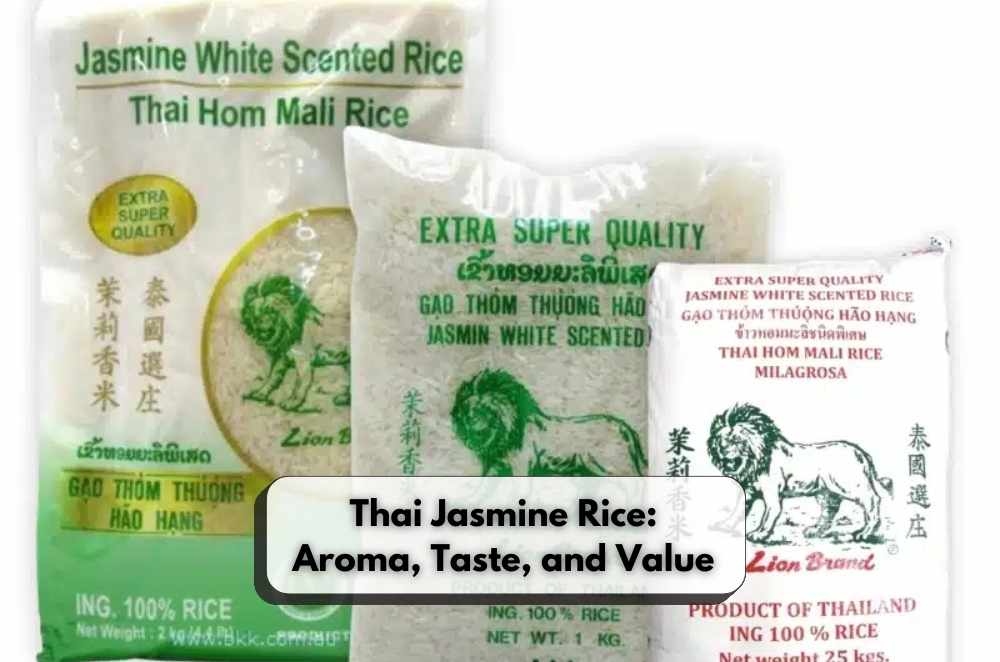
The appeal isn’t hype; it’s the sort of reliability that keeps showing up, meal after meal. Nothing fancy, just rice that behaves. When it comes to Jasmine rice aroma and taste, these qualities simply define what people notice first — subtle fragrance, gentle sweetness, and a consistency that feels familiar.
How do aroma and quality shape its value?
Aroma signals authenticity, and grain integrity proves it in the bowl. When both line up, you get a comforting flavour and consistent cooking.
The best batches smell faintly nutty before they’re rinsed. After cooking, the scent sharpens but stays delicate, never perfumey.
Fresh crop years hold fragrance
Minimal milling protects flavour
Airtight storage keeps quality high
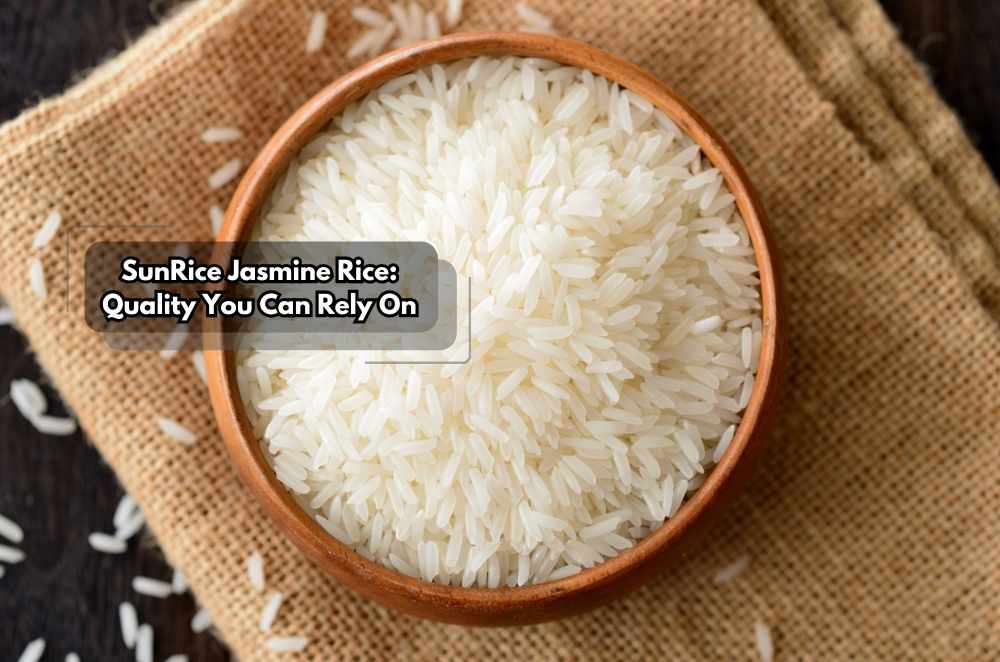
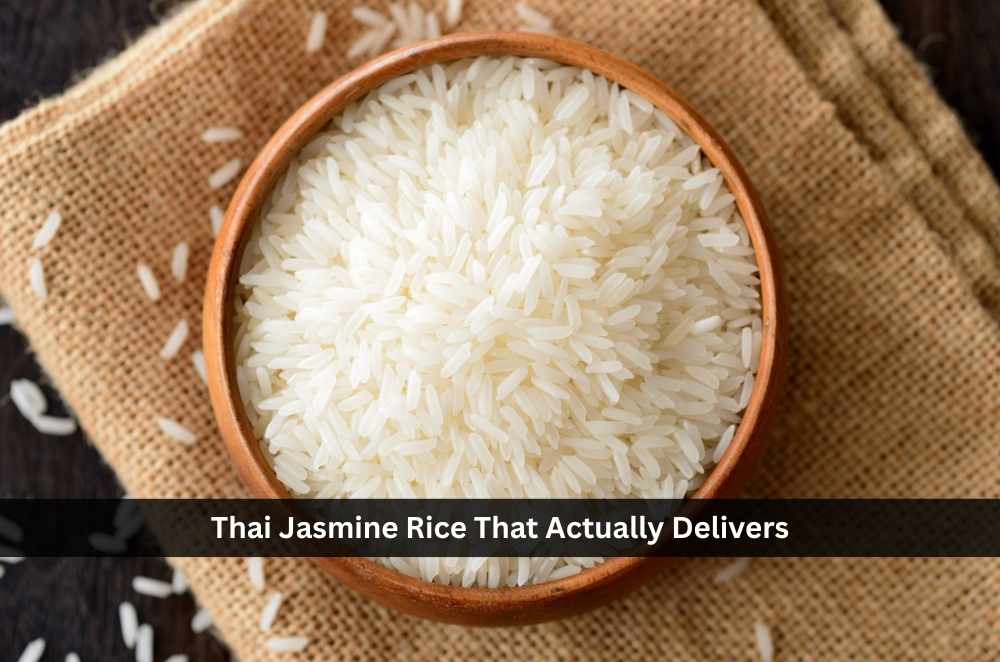
Quality shows in how the grains expand evenly, glisten a little, and separate with a light nudge of the fork. Cheap imitations cook dull and flat; good Jasmine feels alive and finishes a dish rather than filling space. Storage matters too — cool, dark, airtight — so the natural oils don’t fade.
Why does sourcing matter for Thai Jasmine rice?
Sourcing decides whether the rice tastes like the real thing. Origin, farming practice, and respectful milling protect the grain’s identity.
Growers who work the same soils, season after season, bring predictability you can taste. Water quality and harvest timing affect perfume; careful drying preserves it. We care about this because shortcuts show up at the stove: pale aroma, gummy finish, uneven cooking. Choosing authentic supply lines supports farmers who keep standards tight and keeps our meals on point. That chain — field to mill to bag — is the bit you notice only when it’s broken. When it holds, dinner sings.
Conclusion
Thai Jasmine rice brings dishes to life because it smells good, feels light, and finishes a meal the right way. It’s one of those ingredients that never shouts but still changes everything around it. What we like most is how simple it stays — grown, cooked, shared.
Choosing proper Jasmine rice isn’t just about taste; it’s about keeping that small bit of tradition alive. Knowing the journey of Jasmine rice from paddies to kitchens helps explain why its texture and aroma feel so familiar at the table.




Write a comment ...