
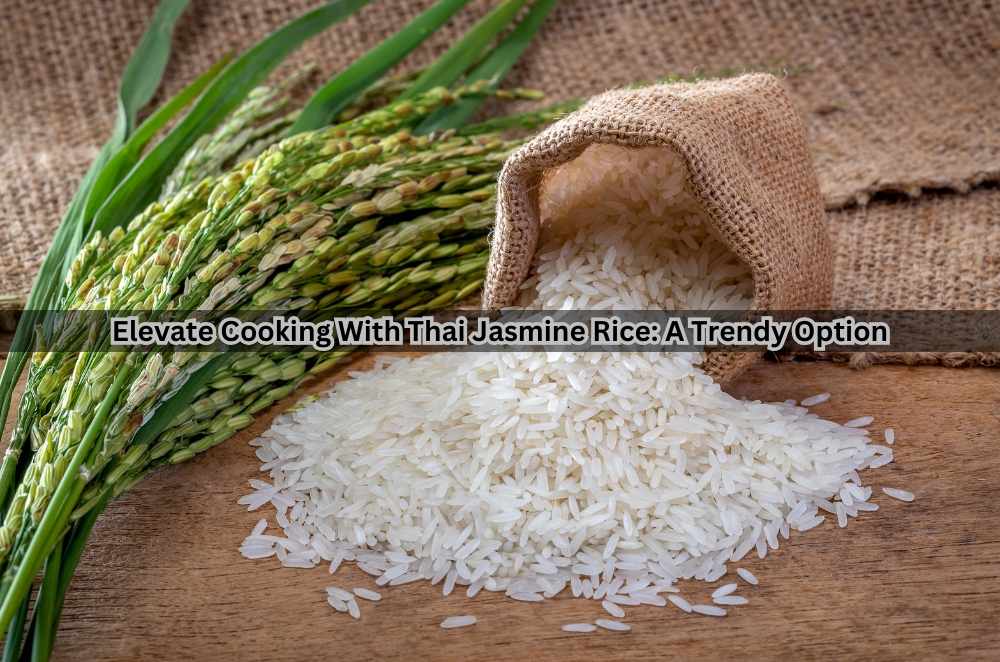
There’s something quietly powerful about the aroma of Thai Jasmine rice — the way it curls through a kitchen before a single bite lands. Soft fragrance, satin texture, no fuss. It shows up at weeknight dinners and headline dishes alike, carrying comfort without shouting. In Australia, we’ve embraced it for the same reason we love good bread: reliability and heart. Sourcing matters, though. Buying from an authentic jasmine rice supplier in Australia keeps the grain true to its origin and is handled with care. That choice protects flavour, supports traceable farming, and turns a plain bowl of rice into something memorable — familiar, fragrant, and honestly satisfying, for families and chefs.
Why does Thai Jasmine rice taste so distinctive?
Thai Jasmine rice tastes distinctive because its fragrance and texture come from unique growing conditions in Thailand. Warm nights, mineral-rich soils and careful post-harvest handling protect the scent and the silkiness.
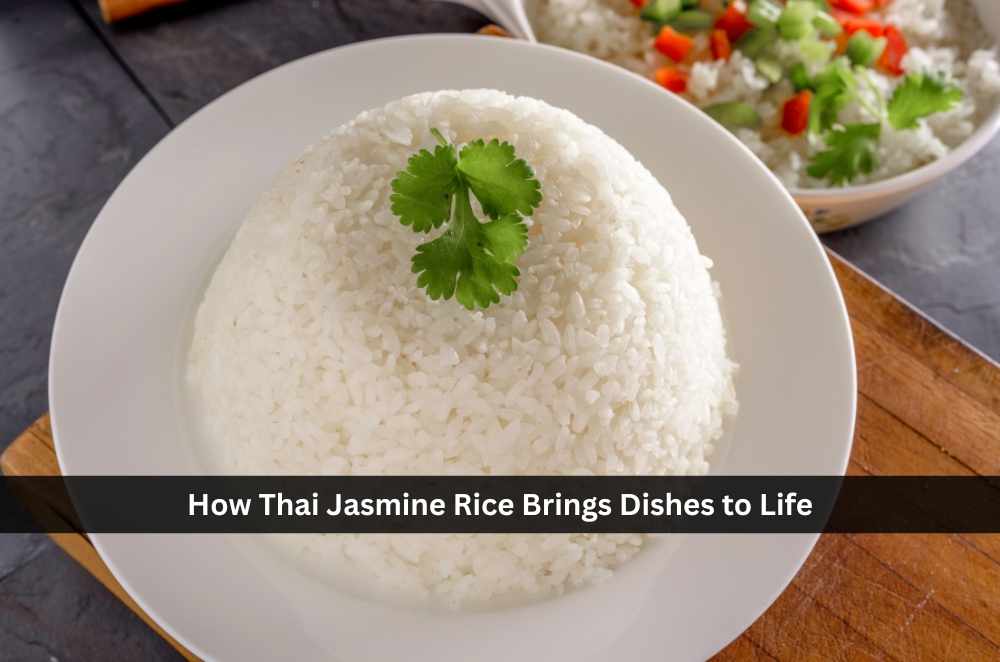
Cooked properly, the grains sit tender and separate, with a slight cling that suits stir-fries, curries or a fried-egg lunch. That balance is hard to fake and easy to miss when it’s gone.
Growing region and soil minerals shift flavour.
Harvest timing nudges aroma intensity.
Rinsing style alters texture, not aroma.
Resting cooked rice improves mouthfeel.
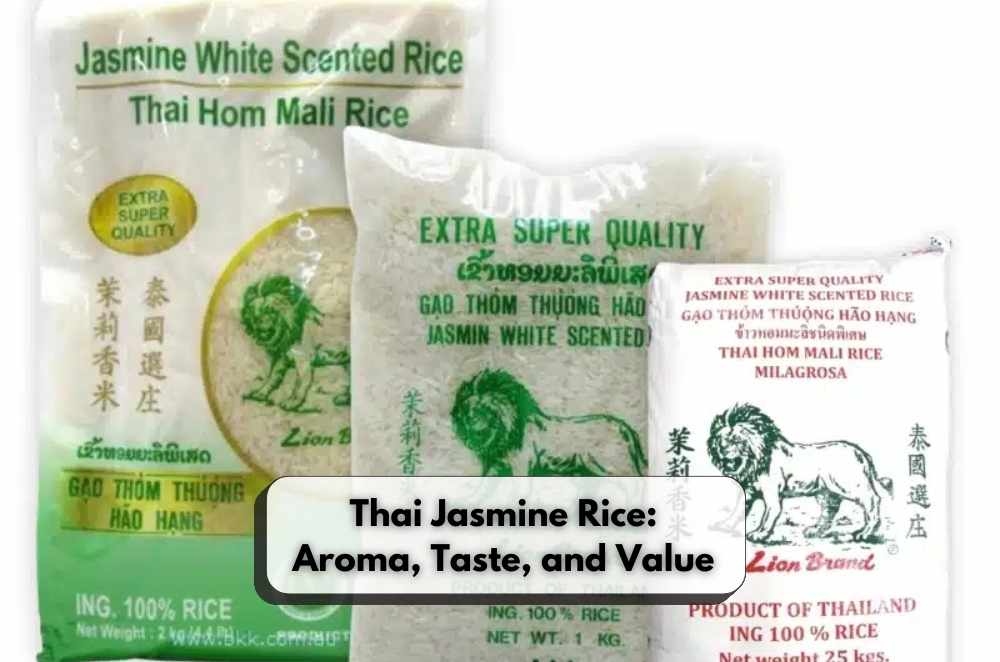
Industry conversations often circle back to Thai Jasmine aroma and value —a straightforward look at how scent, milling, and age shape expectations. Industry conversations often circle back to Thai Jasmine aroma and value — a straightforward look at how scent, milling, and age shape expectations.
How does aroma define its value and quality?
Aroma defines value because buyers read authenticity through the strength and purity of that pandan-like note. Strong aroma signals smart harvest timing, gentle milling and disciplined storage.
Airtight packaging protects the volatile aroma.
Cool storage slows flavour loss.
Short supply chains keep fragrance lively.
Gentle milling reduces broken, dusty grains.
Wholesalers grade lots by scent before texture tests even start. Restaurants pay more for batches that perfume the room yet don’t turn sticky or dull on the pass. Fresh stock sings; tired stock fades, no matter how carefully you cook.
What links Thai farms with Australian kitchens?
Thai farms and Australian kitchens are linked through trust in sourcing and transparent logistics. Farmers chase consistent harvests; importers move quickly so the fragrance arrives intact.
Sustainable water use, fair pay and smarter transport keep that chain honest. In turn, Aussie cooks give the grain pride of place — under grilled fish, beside backyard barbecue, folded through fried rice. Simple food, done well, lets the perfume carry the moment.
Conclusion
It ties kitchens and people together in a quiet, ordinary way. Every batch carries a bit of someone’s effort — the farmer who watched the rain, the cook who didn’t rush the pot, the family waiting at the table. That’s the quiet beauty of Jasmine rice from farm to table. Each meal made with it feels connected somehow, even if you don’t think about why. For most Australians, it’s not just flavour; it’s that sense of something real, something that still feels made by people, not process.




Write a comment ...